Speech Delay vs. Autism
The question behind almost every 'late talker' search at 2 a.m.
6× Best Behavioral/Mental Health Treatment in Southern + Northern Utah · Voted #1 in Utah 6 years running · CASP 2026 Platinum Sponsor
The key difference: communication drive
A child with an isolated speech delay usually wants to communicate and finds ways: pointing, gesturing, dragging you to things, expressive eye contact, shared laughter. The words lag, but the connection machinery works.
When autism is involved, the differences usually extend beyond words — less pointing to share interest, inconsistent response to their name, less back-and-forth play, repetitive behaviors, unusual sensory reactions. It's not about whether a child talks; it's about how they connect.
What to do with the worry
Both paths deserve action. An isolated speech delay warrants a speech-language evaluation. Speech delay plus social-communication differences warrants an autism evaluation — and getting one at Bridgeway means direct entry into early intervention if it's needed. The wrong move is waiting a year to see which it was.
Late talking: patterns clinicians weigh
| More typical of speech delay | Raises the autism question | |
|---|---|---|
| Gestures | Rich pointing, waving, showing | Few gestures to share attention |
| Response to name | Consistent | Inconsistent |
| Pretend play | Develops on time | Limited or repetitive play |
| Social drive | Seeks interaction despite few words | Interaction differences beyond speech |
Frequently Asked Questions
My 2-year-old barely talks but is very social. Autism?
Strong social connection with isolated late talking often points toward speech delay — but only an evaluation can say. Either way, early support helps.
Who evaluates which?
SLPs evaluate speech and language; psychologists evaluate for autism. When the picture is mixed, start with the autism evaluation — it screens the whole developmental landscape. Bridgeway provides these across Utah.
Why Families Trust Bridgeway
6-Time Winner — Best Behavioral/Mental Health Treatment in Southern + Northern Utah
In 2026 Bridgeway won the “Best Behavioral/Mental Health Treatment in Southern + Northern Utah” award for the 6th time — recognition voted by the Southern Utah community.
Voted #1 in Utah — 6 Years Running
For 6 consecutive years, families and the community have voted Bridgeway #1 in Utah for the services we provide, including ABA therapy, autism evaluations, and children's mental health care.
Platinum Sponsor — CASP 2026
Bridgeway is a Platinum Sponsor of the Council of Autism Service Providers (CASP) 2026 conference, reflecting our commitment to raising the standard of autism care nationally.
Where to go from here
Keep reading
Signs of Autism at Age 2 · How ABA Helps Nonverbal Children Communicate
Free tools to try
Toddler Milestones Quiz — free, 16 to 30 months · Early Social Attention Checklist — free, 12 months to 5 years
Bridgeway services
Autism Evaluation — Utah locations · Early Intervention ABA — Utah locations · ABA Therapy — Utah locations
From the Bridgeway Blog
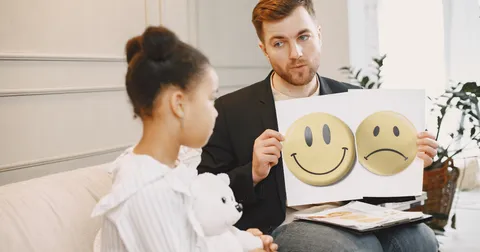
What is Applied Behavior Analysis (ABA) Therapy? A Beginner's Guide for Parents
August 30, 2026
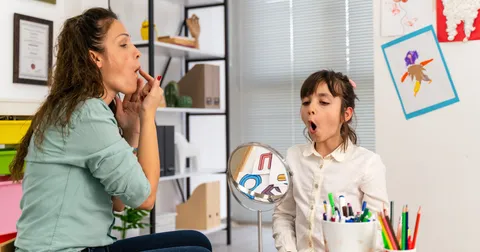
How ABA Therapy Supports Children in the Classroom and at Home
February 6, 2026
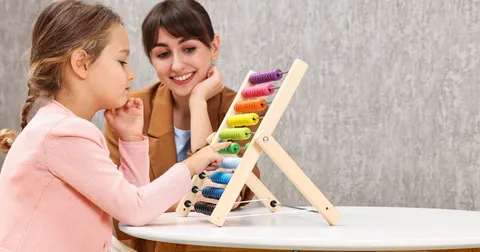
Does Utah Medicaid Cover ABA Therapy? A 2025 Parent Guide
February 4, 2026
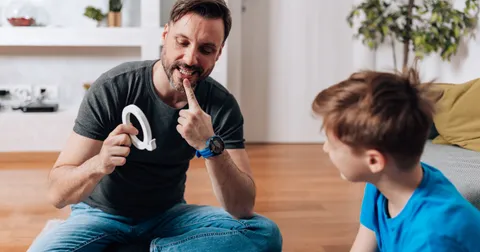
Myths vs. Facts: Uncovering the Truth About Modern ABA Therapy
August 21, 2026
This page is educational and is not medical advice, a diagnosis, or a substitute for evaluation by a qualified clinician. If you have concerns about your child, contact a licensed professional. In an emergency, call 911 or the 988 Suicide & Crisis Lifeline.
Talk to a real person about your child
One call: honest answers, insurance verification, and the right starting point — evaluation, therapy, or ABA.