Signs of Autism at Age 2
You know your toddler better than anyone. Here's what specialists look for at this age.
6× Best Behavioral/Mental Health Treatment in Southern + Northern Utah · Voted #1 in Utah 6 years running · CASP 2026 Platinum Sponsor
What clinicians watch for at age two
By 24 months, most toddlers point to show you things, respond consistently to their name, imitate others, use a growing set of single words or short phrases, and engage in simple pretend play. Differences in these areas — not one missed milestone, but a pattern — are what raise the question of autism at this age.
Common early signs include: not pointing to share interest, limited eye contact paired with limited gestures, few or no spoken words without compensating gestures, lining up or spinning toys more than playing with them functionally, big reactions to sensory input, strong distress at changes in routine, and losing words or skills previously mastered. Loss of skills at any age deserves prompt evaluation.
Toddler quirks vs. patterns that persist
Every two-year-old has meltdowns, picky phases, and obsessions. The signal isn't any single behavior — it's a persistent pattern across settings that sets your child apart from peers over months. If grandparents, daycare teachers, or your own gut keep raising the same flags, that consistency is meaningful.
The stakes of checking are low; the payoff of catching autism at two is high. Early intervention ABA during the toddler years, when the brain is most plastic, produces some of the strongest outcomes in the research. Bridgeway evaluates toddlers across Utah and can begin early intervention services directly after diagnosis.
Frequently Asked Questions
Can a 2-year-old really be evaluated for autism?
Yes — validated tools exist specifically for toddlers, and experienced clinicians make reliable diagnoses around age 2.
My toddler makes eye contact — does that rule out autism?
No single behavior rules autism in or out. Many autistic toddlers make some eye contact. Clinicians look at the whole pattern of social communication.
What if my pediatrician says to wait and see?
If your concerns persist, you can seek an evaluation directly. Waiting costs time in the developmental window where intervention helps most.
What happens after a diagnosis at 2?
Most families start early intervention ABA focused on communication, play, and connection — at Bridgeway, often within the same organization that did the evaluation.
Why Families Trust Bridgeway
6-Time Winner — Best Behavioral/Mental Health Treatment in Southern + Northern Utah
In 2026 Bridgeway won the “Best Behavioral/Mental Health Treatment in Southern + Northern Utah” award for the 6th time — recognition voted by the Southern Utah community.
Voted #1 in Utah — 6 Years Running
For 6 consecutive years, families and the community have voted Bridgeway #1 in Utah for the services we provide, including ABA therapy, autism evaluations, and children's mental health care.
Platinum Sponsor — CASP 2026
Bridgeway is a Platinum Sponsor of the Council of Autism Service Providers (CASP) 2026 conference, reflecting our commitment to raising the standard of autism care nationally.
Where to go from here
Keep reading
When Does My Child Need Autism Testing? · How ABA Helps Nonverbal Children Communicate
Free tools to try
Toddler Milestones Quiz — free, 16 to 30 months · Early Social Attention Checklist — free, 12 months to 5 years
Bridgeway services
Autism Evaluation — Utah locations · Early Intervention ABA — Utah locations · In-Home ABA Therapy — Utah locations
From the Bridgeway Blog
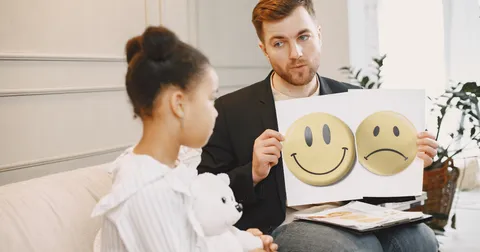
What is Applied Behavior Analysis (ABA) Therapy? A Beginner's Guide for Parents
August 30, 2026
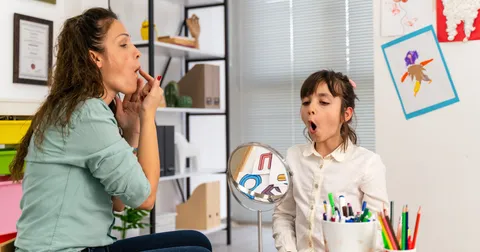
How ABA Therapy Supports Children in the Classroom and at Home
February 6, 2026
Does Utah Medicaid Cover ABA Therapy? A 2025 Parent Guide
February 4, 2026
Myths vs. Facts: Uncovering the Truth About Modern ABA Therapy
August 21, 2026
This page is educational and is not medical advice, a diagnosis, or a substitute for evaluation by a qualified clinician. If you have concerns about your child, contact a licensed professional. In an emergency, call 911 or the 988 Suicide & Crisis Lifeline.
Talk to a real person about your child
One call: honest answers, insurance verification, and the right starting point — evaluation, therapy, or ABA.