How ABA Helps Nonverbal Children Communicate
Communication is bigger than speech — and every child can grow it.
6× Best Behavioral/Mental Health Treatment in Southern + Northern Utah · Voted #1 in Utah 6 years running · CASP 2026 Platinum Sponsor
First, a reframe: nonverbal doesn't mean non-communicating
A child who leads you by the hand to the refrigerator is communicating. So is a child who melts down when a routine changes. ABA for minimally verbal children starts by treating every one of those signals as communication — then builds a clearer, easier system on top of them.
Depending on your child, that system might be spoken words, sign language, a picture exchange system (PECS), or a speech-generating device (AAC). Research is clear on one point families worry about most: using pictures or devices does not prevent speech — it often supports it.
How the teaching works
ABA breaks communication into achievable steps. A child might first learn that handing over a picture card produces a snack — an immediate, powerful discovery that communication works. From there, therapists systematically expand: more words, longer requests, comments, questions, back-and-forth exchange.
Bridgeway BCBAs use naturalistic, play-based teaching (capturing motivation in the moment) and coach parents to respond to every communication attempt at home. For many families, the first spontaneous request — spoken, signed, or tapped on a device — is the moment everything changes.
Frequently Asked Questions
My child is 4 and doesn't speak. Is it too late?
No. While earlier is better, children continue developing communication skills throughout childhood. Many minimally verbal children make major gains with structured intervention at 4, 5, and beyond.
Will using an AAC device stop my child from talking?
Research consistently shows the opposite — alternative communication tends to support rather than suppress speech development.
Do you work alongside speech therapy?
Yes. Many Bridgeway families pair ABA with outside speech-language therapy, and our BCBAs coordinate goals so systems match across providers.
Where do sessions happen?
Bridgeway offers clinic-based and in-home ABA across Utah, and communication goals are usually targeted in both settings.
Why Families Trust Bridgeway
6-Time Winner — Best Behavioral/Mental Health Treatment in Southern + Northern Utah
In 2026 Bridgeway won the “Best Behavioral/Mental Health Treatment in Southern + Northern Utah” award for the 6th time — recognition voted by the Southern Utah community.
Voted #1 in Utah — 6 Years Running
For 6 consecutive years, families and the community have voted Bridgeway #1 in Utah for the services we provide, including ABA therapy, autism evaluations, and children's mental health care.
Platinum Sponsor — CASP 2026
Bridgeway is a Platinum Sponsor of the Council of Autism Service Providers (CASP) 2026 conference, reflecting our commitment to raising the standard of autism care nationally.
Where to go from here
Keep reading
Signs of Autism at Age 2 · When Does My Child Need Autism Testing?
Free tools to try
Toddler Milestones Quiz — free, 16 to 30 months · Early Social Attention Checklist — free, 12 months to 5 years
Bridgeway services
ABA Therapy — Utah locations · Early Intervention ABA — Utah locations · In-Home ABA Therapy — Utah locations
From the Bridgeway Blog
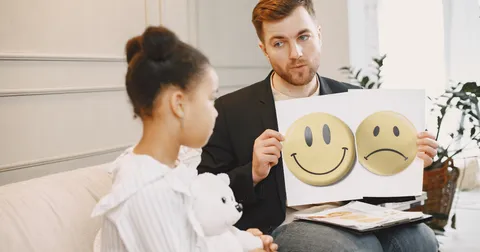
What is Applied Behavior Analysis (ABA) Therapy? A Beginner's Guide for Parents
August 30, 2026
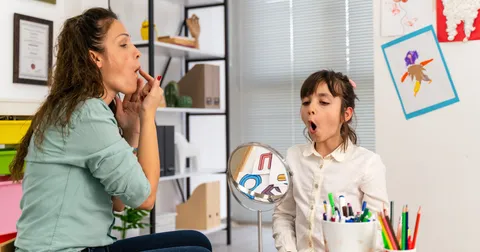
How ABA Therapy Supports Children in the Classroom and at Home
February 6, 2026
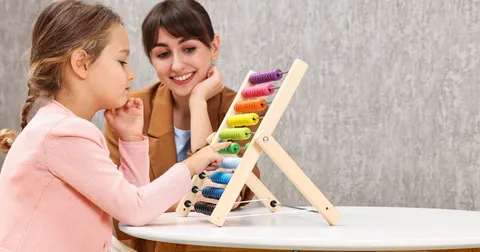
Does Utah Medicaid Cover ABA Therapy? A 2025 Parent Guide
February 4, 2026
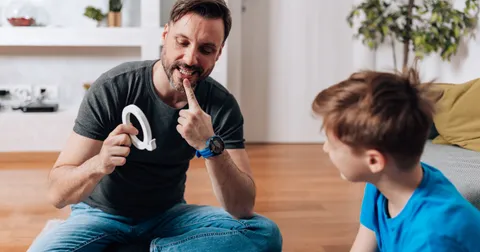
Myths vs. Facts: Uncovering the Truth About Modern ABA Therapy
August 21, 2026
This page is educational and is not medical advice, a diagnosis, or a substitute for evaluation by a qualified clinician. If you have concerns about your child, contact a licensed professional. In an emergency, call 911 or the 988 Suicide & Crisis Lifeline.
Talk to a real person about your child
One call: honest answers, insurance verification, and the right starting point — evaluation, therapy, or ABA.