Sensory Issues in Children
When the world feels too loud, too bright, or not intense enough.
6× Best Behavioral/Mental Health Treatment in Southern + Northern Utah · Voted #1 in Utah 6 years running · CASP 2026 Platinum Sponsor
What sensory differences look like
Some children are over-responders: hands over ears at the vacuum, gagging at food textures, tags cut out of every shirt, haircuts like a battle. Others are seekers: crashing into couches, spinning without dizziness, touching everything, chewing shirts. Many kids are both, in different senses.
Sensory differences are especially common in autistic children — they're part of the diagnostic criteria — but they also occur with ADHD, anxiety, and on their own. The question that matters isn't the label; it's whether sensory responses are limiting your child's participation in meals, school, sleep, family outings, and friendships.
How Bridgeway helps
When sensory differences come with behavior challenges, communication delays, or possible autism, Bridgeway's evaluations map the full picture, and our ABA teams build plans that respect sensory needs — using gradual exposure, environmental changes, and replacement strategies rather than forcing tolerance. Our therapists also help anxious kids untangle fear from sensation.
Bridgeway coordinates with outside occupational therapists many families also work with, so home, clinic, and OT strategies pull in the same direction.
Frequently Asked Questions
Are sensory issues always autism?
No. Sensory differences occur with ADHD, anxiety, and independently. But because they're common in autism, persistent sensory differences alongside social-communication differences warrant an evaluation.
Will my child grow out of it?
Sensory profiles often change with age, and skills can dramatically improve with support. 'Wait and see' costs the most when sensory responses are already limiting daily life.
Do you force kids to tolerate sensory triggers?
No. Bridgeway uses gradual, child-guided approaches. Flooding a child with triggers is neither ethical nor effective.
Why Families Trust Bridgeway
6-Time Winner — Best Behavioral/Mental Health Treatment in Southern + Northern Utah
In 2026 Bridgeway won the “Best Behavioral/Mental Health Treatment in Southern + Northern Utah” award for the 6th time — recognition voted by the Southern Utah community.
Voted #1 in Utah — 6 Years Running
For 6 consecutive years, families and the community have voted Bridgeway #1 in Utah for the services we provide, including ABA therapy, autism evaluations, and children's mental health care.
Platinum Sponsor — CASP 2026
Bridgeway is a Platinum Sponsor of the Council of Autism Service Providers (CASP) 2026 conference, reflecting our commitment to raising the standard of autism care nationally.
Where to go from here
Keep reading
Can ABA Help With Emotional Regulation? · Signs of Autism at Age 2
Free tools to try
Autism Signs Checklist — free, all ages · School-Age Social Challenges Quiz — free, ages 6 to 12
Bridgeway services
Autism Evaluation — Utah locations · ABA Therapy — Utah locations · Child Therapy — Utah locations
From the Bridgeway Blog
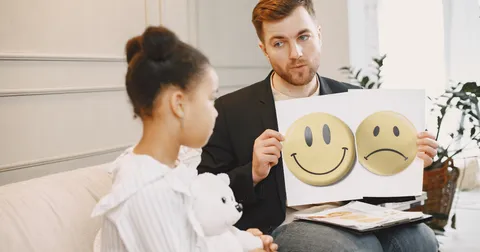
What is Applied Behavior Analysis (ABA) Therapy? A Beginner's Guide for Parents
August 30, 2026
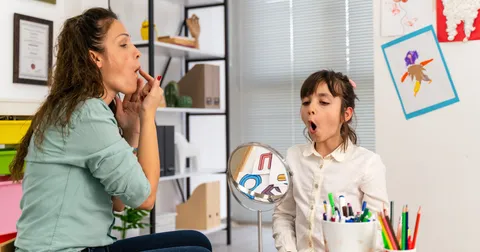
How ABA Therapy Supports Children in the Classroom and at Home
February 6, 2026
Does Utah Medicaid Cover ABA Therapy? A 2025 Parent Guide
February 4, 2026
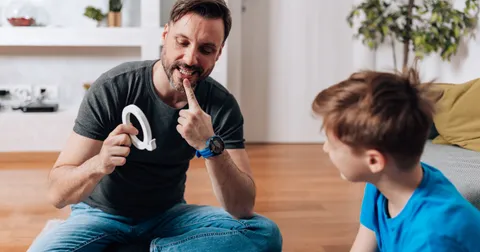
Myths vs. Facts: Uncovering the Truth About Modern ABA Therapy
August 21, 2026
This page is educational and is not medical advice, a diagnosis, or a substitute for evaluation by a qualified clinician. If you have concerns about your child, contact a licensed professional. In an emergency, call 911 or the 988 Suicide & Crisis Lifeline.
Talk to a real person about your child
One call: honest answers, insurance verification, and the right starting point — evaluation, therapy, or ABA.