Signs of Autism by Age
The same condition looks different at 18 months, 5 years, and 15 — here's what to watch for at each stage.
6× Best Behavioral/Mental Health Treatment in Southern + Northern Utah · Voted #1 in Utah 6 years running · CASP 2026 Platinum Sponsor
12–24 months
Early signals live in social connection: limited response to their name, little pointing or showing, reduced back-and-forth babbling and gestures, limited imitation, and loss of any previously mastered words or skills — the last always deserving prompt evaluation.
Ages 2–3
Patterns sharpen: few spoken words without compensating gestures, playing beside rather than with peers, lining up toys or repeating actions more than playing functionally, intense distress at small changes, unusual sensory responses, and echoed phrases in place of flexible language.
Preschool (3–5)
Group settings surface differences: trouble joining peer play, scripted speech from shows, rigid routines that derail the day when broken, deep single-topic interests, and meltdowns that outstrip what the trigger seems to explain.
School age (6–12)
Social gaps widen with peers' complexity: friendships that stall, literal interpretation of language, exhausting effort to mimic peers (masking, especially in girls), sensory overwhelm in cafeterias and assemblies, and strong distress when expectations shift.
Teens
Some teens reach evaluation late — often bright kids whose coping ran out when social demands exploded. Signs include social exhaustion, anxiety or depression riding on top, rigid thinking under stress, and a lifelong feeling of watching social life through glass. Late identification is common and worth pursuing: understanding changes everything.
Frequently Asked Questions
Is it too late to evaluate my teenager?
No — Bridgeway evaluates through the teen years and into adulthood. Late answers still unlock supports, accommodations, and self-understanding.
My child shows a few of these signs. Should I worry?
Single signs are common in typical development. Persistent patterns across settings are what warrant an evaluation — and evaluations answer the question either way.
Why Families Trust Bridgeway
6-Time Winner — Best Behavioral/Mental Health Treatment in Southern + Northern Utah
In 2026 Bridgeway won the “Best Behavioral/Mental Health Treatment in Southern + Northern Utah” award for the 6th time — recognition voted by the Southern Utah community.
Voted #1 in Utah — 6 Years Running
For 6 consecutive years, families and the community have voted Bridgeway #1 in Utah for the services we provide, including ABA therapy, autism evaluations, and children's mental health care.
Platinum Sponsor — CASP 2026
Bridgeway is a Platinum Sponsor of the Council of Autism Service Providers (CASP) 2026 conference, reflecting our commitment to raising the standard of autism care nationally.
Where to go from here
Keep reading
Signs of Autism at Age 2 · When Does My Child Need Autism Testing?
Free tools to try
Toddler Milestones Quiz — free, 16 to 30 months · Early Social Attention Checklist — free, 12 months to 5 years · School-Age Social Challenges Quiz — free, ages 6 to 12 · Adult Autism Traits Quiz — free, ages 16+
Bridgeway services
Autism Evaluation — Utah locations · Early Intervention ABA — Utah locations · ABA Therapy — Utah locations
From the Bridgeway Blog
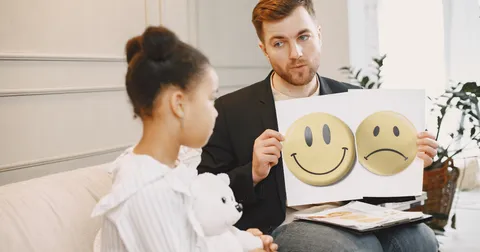
What is Applied Behavior Analysis (ABA) Therapy? A Beginner's Guide for Parents
August 30, 2026
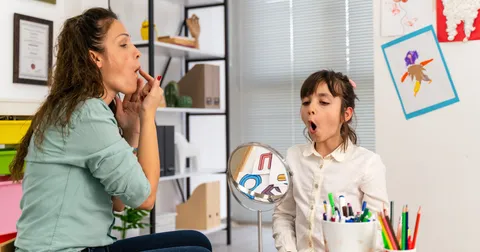
How ABA Therapy Supports Children in the Classroom and at Home
February 6, 2026
Does Utah Medicaid Cover ABA Therapy? A 2025 Parent Guide
February 4, 2026
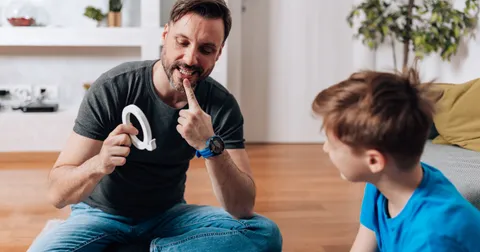
Myths vs. Facts: Uncovering the Truth About Modern ABA Therapy
August 21, 2026
This page is educational and is not medical advice, a diagnosis, or a substitute for evaluation by a qualified clinician. If you have concerns about your child, contact a licensed professional. In an emergency, call 911 or the 988 Suicide & Crisis Lifeline.
Talk to a real person about your child
One call: honest answers, insurance verification, and the right starting point — evaluation, therapy, or ABA.