Autism Checklist for Parents
You'll be asked hundreds of questions during an evaluation. Walking in with notes makes every answer sharper.
6× Best Behavioral/Mental Health Treatment in Southern + Northern Utah · Voted #1 in Utah 6 years running · CASP 2026 Platinum Sponsor
Social communication
Jot concrete examples for: response to name; pointing to show (not just to request); eye contact paired with gestures and sounds; back-and-forth play like peek-a-boo; imitation of actions and words; interest in other children; showing you things just to share them.
Language
Note: first words and current vocabulary; any lost words or skills (with rough dates); echoed phrases vs. flexible language; how your child asks for things — words, pulling your hand, bringing objects; response to simple instructions.
Play and routines
Watch for: pretend play (feeding a doll, driving a toy car); repetitive play like lining up, spinning, or sorting; reactions when routines change; intense interests; repetitive movements like hand-flapping, rocking, or spinning.
Sensory responses
Record reactions to: loud sounds, bright lights, food textures, clothing tags, haircuts, nail trims; also sensory seeking — crashing, spinning, chewing, touching everything.
Bring the context
Gather daycare/teacher observations, videos of the behaviors you're describing (gold for clinicians), your child's developmental milestones, and family history of autism, ADHD, or speech delays. Then bring it all to the evaluation — every note makes the picture clearer.
Frequently Asked Questions
Should I record videos of my child's behaviors?
Yes — short phone videos of the moments you're describing are enormously helpful, since children rarely perform their home behaviors on cue in a clinic.
What if my notes turn out to be 'nothing'?
Then the evaluation rules out autism and usually explains what is going on instead. Organized observations make that answer faster and more accurate.
Why Families Trust Bridgeway
6-Time Winner — Best Behavioral/Mental Health Treatment in Southern + Northern Utah
In 2026 Bridgeway won the “Best Behavioral/Mental Health Treatment in Southern + Northern Utah” award for the 6th time — recognition voted by the Southern Utah community.
Voted #1 in Utah — 6 Years Running
For 6 consecutive years, families and the community have voted Bridgeway #1 in Utah for the services we provide, including ABA therapy, autism evaluations, and children's mental health care.
Platinum Sponsor — CASP 2026
Bridgeway is a Platinum Sponsor of the Council of Autism Service Providers (CASP) 2026 conference, reflecting our commitment to raising the standard of autism care nationally.
Where to go from here
Keep reading
When Does My Child Need Autism Testing? · Signs of Autism at Age 2
Free tools to try
Autism Signs Checklist — free, all ages · Early Social Attention Checklist — free, 12 months to 5 years
Bridgeway services
Autism Evaluation — Utah locations · Early Intervention ABA — Utah locations
From the Bridgeway Blog
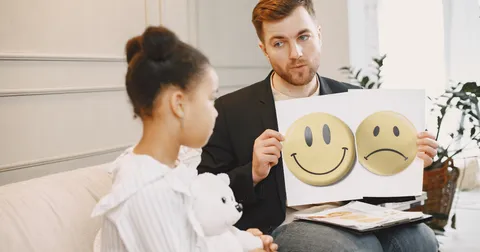
What is Applied Behavior Analysis (ABA) Therapy? A Beginner's Guide for Parents
August 30, 2026
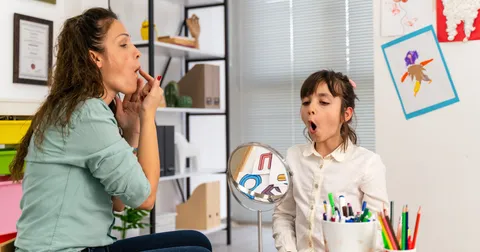
How ABA Therapy Supports Children in the Classroom and at Home
February 6, 2026
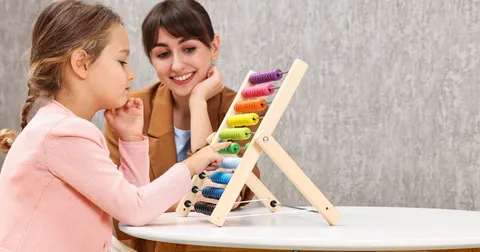
Does Utah Medicaid Cover ABA Therapy? A 2025 Parent Guide
February 4, 2026
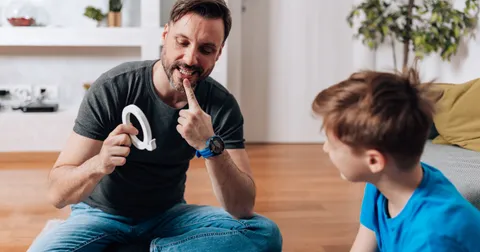
Myths vs. Facts: Uncovering the Truth About Modern ABA Therapy
August 21, 2026
This page is educational and is not medical advice, a diagnosis, or a substitute for evaluation by a qualified clinician. If you have concerns about your child, contact a licensed professional. In an emergency, call 911 or the 988 Suicide & Crisis Lifeline.
Talk to a real person about your child
One call: honest answers, insurance verification, and the right starting point — evaluation, therapy, or ABA.