Aging Out of Baby Watch: What Utah Parents Do Next
Baby Watch ends at the third birthday — but your child's early intervention window doesn't. Here's the transition plan, step by step.
6× Best Behavioral/Mental Health Treatment in Southern + Northern Utah · Voted #1 in Utah 6 years running · CASP 2026 Platinum Sponsor
What Baby Watch is — and what changes at the third birthday
Baby Watch is Utah's early intervention program for infants and toddlers from birth to age three, providing developmental services — often in your home — for children with delays or disabilities. It's a genuinely good program. But it has a hard stop: services end on your child's third birthday, whether or not your child still needs support.
At that point the system hands off. Children who remain eligible transition to preschool special education services through your local school district — a few hours a week of school-based support under an IEP. For a child with autism, that's usually a significant drop in intensity compared to what they need, and it's not a replacement for therapy.
Start the transition six months early
The families who avoid a gap in services are the ones who start planning around their child's second-and-a-half birthday. Baby Watch holds a transition planning conference before age three — use it to understand the school district path. But run a second track in parallel: if autism is suspected and your child doesn't yet have a formal diagnosis, schedule a diagnostic evaluation before the third birthday.
Here's why that matters: Baby Watch eligibility is based on developmental delay, which is not the same as a medical autism diagnosis. Insurance-funded ABA therapy requires the diagnosis. If the evaluation is done before Baby Watch ends, ABA can begin the week after the birthday instead of months later.
- Around age 2½: attend the Baby Watch transition planning conference
- If autism is suspected: schedule a diagnostic evaluation now, not after services end
- Before the birthday: verify insurance benefits for ABA and get authorization moving
- After age 3: combine school preschool services with insurance-funded therapy
School preschool services vs. private ABA — you can have both
This is the point parents most often miss: school-based preschool services and insurance-funded ABA therapy are separate systems, and most children with autism qualify for both. The IEP covers educational goals in a classroom setting a few hours a week. ABA therapy — funded through your health insurance under Utah's autism mandate — continues intensive, individualized treatment on communication, daily living skills, and behavior.
Families across Utah commonly send their child to district preschool in the morning and run ABA sessions in the afternoon, or alternate days. The two teams can even coordinate goals when parents give permission.
How Bridgeway bridges the Baby Watch gap
Bridgeway is built for exactly this handoff. Our clinicians perform autism diagnostic evaluations in-house — so a toddler approaching the Baby Watch cliff can be assessed, diagnosed, and stepped directly into our early intervention ABA program without joining a new waitlist. Programs are play-based, parent-coaching heavy, and delivered at our centers statewide, in-home where staffing allows, or both.
Our intake team also handles the unglamorous middle: verifying your insurance benefits, moving the authorization paperwork, and helping you build a schedule that fits around district preschool hours.
Frequently Asked Questions
Does my child automatically get services after Baby Watch ends?
No. Baby Watch refers your child to the local school district, which runs its own eligibility evaluation for preschool special education under an IEP. That process is separate from — and doesn't include — medical therapy like ABA, which runs through your health insurance.
Can my child start ABA therapy before turning 3?
Yes. With an autism diagnosis, children can begin insurance-funded ABA as toddlers — Bridgeway regularly serves children around age 2. Starting before the third birthday is the single best way to avoid a services gap when Baby Watch ends.
Baby Watch already assessed my child — do we need another evaluation?
Often yes, for insurance purposes. Baby Watch determines developmental delay for program eligibility; insurers require a formal medical autism diagnosis from a qualified clinician before authorizing ABA. Bridgeway's evaluators can complete that diagnostic testing.
We missed the window — our child is already 3 or 4. Is it too late?
Not at all. The early intervention window extends through the preschool years, and children starting ABA at 3, 4, or 5 make meaningful gains. The best time to start was before the birthday; the second-best time is now.
Why Families Trust Bridgeway
6-Time Winner — Best Behavioral/Mental Health Treatment in Southern + Northern Utah
In 2026 Bridgeway won the “Best Behavioral/Mental Health Treatment in Southern + Northern Utah” award for the 6th time — recognition voted by the Southern Utah community.
Voted #1 in Utah — 6 Years Running
For 6 consecutive years, families and the community have voted Bridgeway #1 in Utah for the services we provide, including ABA therapy, autism evaluations, and children's mental health care.
Platinum Sponsor — CASP 2026
Bridgeway is a Platinum Sponsor of the Council of Autism Service Providers (CASP) 2026 conference, reflecting our commitment to raising the standard of autism care nationally.
Where to go from here
Keep reading
Signs of Autism at Age 2 · Private Autism Evaluation in Utah · When Does My Child Need Autism Testing?
Free tools to try
Toddler Milestones Quiz — free, 16 to 30 months · Early Social Attention Checklist — free, 12 months to 5 years
Bridgeway services
Early Intervention ABA — Utah locations · Autism Evaluation — Utah locations · ABA Therapy — Utah locations
From the Bridgeway Blog

What is Applied Behavior Analysis (ABA) Therapy? A Beginner's Guide for Parents
August 30, 2026
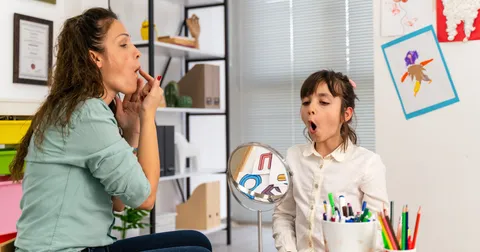
How ABA Therapy Supports Children in the Classroom and at Home
February 6, 2026
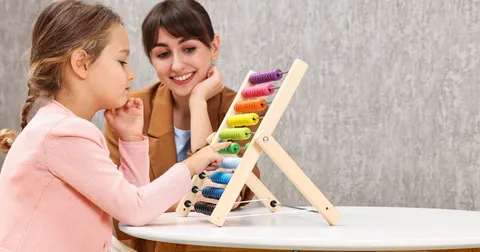
Does Utah Medicaid Cover ABA Therapy? A 2025 Parent Guide
February 4, 2026
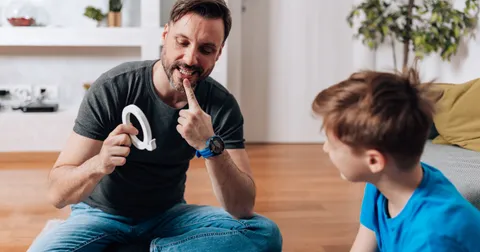
Myths vs. Facts: Uncovering the Truth About Modern ABA Therapy
August 21, 2026
This page is educational and is not medical advice, a diagnosis, or a substitute for evaluation by a qualified clinician. If you have concerns about your child, contact a licensed professional. In an emergency, call 911 or the 988 Suicide & Crisis Lifeline.
Talk to a real person about your child
One call: honest answers, insurance verification, and the right starting point — evaluation, therapy, or ABA.