Autism Levels 1, 2, and 3 — Explained
Levels describe support needs today, not your child's ceiling.
6× Best Behavioral/Mental Health Treatment in Southern + Northern Utah · Voted #1 in Utah 6 years running · CASP 2026 Platinum Sponsor
What the levels mean
The DSM-5 assigns autism a support level in two domains — social communication and restricted/repetitive behaviors. Level 1 means requiring support; Level 2, substantial support; Level 3, very substantial support. A child can carry different levels in the two domains.
Levels are a communication shorthand for how much help a person needs right now, in their current environment. They are not IQ scores, not fixed for life, and not a prediction of what a child will achieve with the right support. Clinicians and insurers use them mainly to scope services.
What matters more than the number
Two children with the same level can look completely different — one hyperverbal and anxious, another minimally verbal and easygoing. Good treatment planning starts from the individual profile: communication, daily living skills, sensory needs, strengths, and what the family needs most. That's exactly what a Bridgeway evaluation maps, and what our BCBAs build programs around.
Autism levels at a glance (DSM-5)
| Level | What it indicates | |
|---|---|---|
| Level 1 | Requiring support — challenges noticeable without supports in place | |
| Level 2 | Requiring substantial support — marked differences even with supports | |
| Level 3 | Requiring very substantial support — severe challenges across settings |
Frequently Asked Questions
Can my child's level change?
Yes. Levels describe current support needs, and needs change with development and intervention. Many children require less support over time.
Does the level decide how many ABA hours my child gets?
It's one input. The BCBA's assessment of individual needs drives the recommendation, which insurers review during authorization.
Why Families Trust Bridgeway
6-Time Winner — Best Behavioral/Mental Health Treatment in Southern + Northern Utah
In 2026 Bridgeway won the “Best Behavioral/Mental Health Treatment in Southern + Northern Utah” award for the 6th time — recognition voted by the Southern Utah community.
Voted #1 in Utah — 6 Years Running
For 6 consecutive years, families and the community have voted Bridgeway #1 in Utah for the services we provide, including ABA therapy, autism evaluations, and children's mental health care.
Platinum Sponsor — CASP 2026
Bridgeway is a Platinum Sponsor of the Council of Autism Service Providers (CASP) 2026 conference, reflecting our commitment to raising the standard of autism care nationally.
Where to go from here
Keep reading
When Does My Child Need Autism Testing?
Free tools to try
School-Age Social Challenges Quiz — free, ages 6 to 12 · Adult Autism Traits Quiz — free, ages 16+
Bridgeway services
Autism Evaluation — Utah locations · ABA Therapy — Utah locations · Autism Services — Utah locations
From the Bridgeway Blog

What is Applied Behavior Analysis (ABA) Therapy? A Beginner's Guide for Parents
August 30, 2026
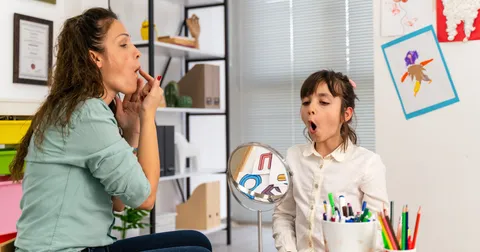
How ABA Therapy Supports Children in the Classroom and at Home
February 6, 2026

Does Utah Medicaid Cover ABA Therapy? A 2025 Parent Guide
February 4, 2026
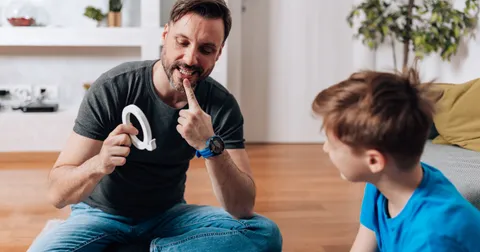
Myths vs. Facts: Uncovering the Truth About Modern ABA Therapy
August 21, 2026
This page is educational and is not medical advice, a diagnosis, or a substitute for evaluation by a qualified clinician. If you have concerns about your child, contact a licensed professional. In an emergency, call 911 or the 988 Suicide & Crisis Lifeline.
Talk to a real person about your child
One call: honest answers, insurance verification, and the right starting point — evaluation, therapy, or ABA.