7 ABA Therapy Myths, Corrected
ABA has evolved enormously. Some of the internet hasn't noticed yet — here's an honest accounting.
6× Best Behavioral/Mental Health Treatment in Southern + Northern Utah · Voted #1 in Utah 6 years running · CASP 2026 Platinum Sponsor
Myth 1: ABA turns kids into robots
Old-style drilling earned this reputation. Modern ABA is naturalistic and play-based, teaches flexible skills across settings, and measures success by a child thriving in real life — not by rote performance.
Myth 2: ABA is just compliance training
Contemporary practice centers assent and communication: the flagship goal for most young learners is functional communication — giving the child more power to shape their world, not less.
Myth 3: It's 40 hours a week or nothing
Intensity is individualized. Focused 10–15 hour programs are common and effective for many profiles; comprehensive models suit others. The BCBA's assessment — not a slogan — sets the number.
Myth 4: ABA ignores emotions
Emotional regulation is one of the most common goal areas in modern programs, and at Bridgeway, ABA teams work alongside licensed therapists when feelings need the therapy room too.
Myth 5: Any provider is the same
Quality varies enormously — supervision hours, parent training, assent practices, and data quality separate excellent programs from mediocre ones. Ask hard questions; good providers welcome them.
Myth 6: ABA replaces school, speech, and everything else
ABA coordinates with education, SLPs, and OTs rather than replacing them. Integrated planning is the point — and the reason Bridgeway keeps evaluation, therapy, and psychiatry on one team.
Myth 7: If it doesn't work fast, it doesn't work
Skill-building compounds. Early wins often show in weeks, but durable change is a months-long arc that the data — shared with you openly — should demonstrate continuously.
Frequently Asked Questions
How do I evaluate an ABA provider?
Ask about BCBA supervision hours, parent-training cadence, assent-based practice, how goals are chosen, and how often you'll see data. Bridgeway welcomes all of those questions.
Is ABA evidence-based?
ABA is among the most-researched interventions for autism, recognized by the U.S. Surgeon General and covered by insurance mandates in Utah and nationally.
Why Families Trust Bridgeway
6-Time Winner — Best Behavioral/Mental Health Treatment in Southern + Northern Utah
In 2026 Bridgeway won the “Best Behavioral/Mental Health Treatment in Southern + Northern Utah” award for the 6th time — recognition voted by the Southern Utah community.
Voted #1 in Utah — 6 Years Running
For 6 consecutive years, families and the community have voted Bridgeway #1 in Utah for the services we provide, including ABA therapy, autism evaluations, and children's mental health care.
Platinum Sponsor — CASP 2026
Bridgeway is a Platinum Sponsor of the Council of Autism Service Providers (CASP) 2026 conference, reflecting our commitment to raising the standard of autism care nationally.
Where to go from here
Keep reading
Bridgeway services
ABA Therapy — Utah locations · Early Intervention ABA — Utah locations
From the Bridgeway Blog

What is Applied Behavior Analysis (ABA) Therapy? A Beginner's Guide for Parents
August 30, 2026

How ABA Therapy Supports Children in the Classroom and at Home
February 6, 2026

Does Utah Medicaid Cover ABA Therapy? A 2025 Parent Guide
February 4, 2026
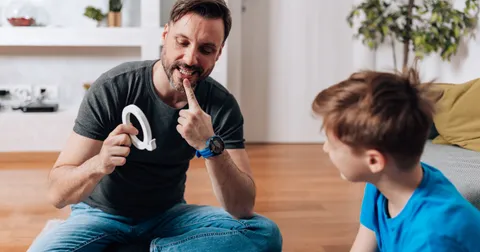
Myths vs. Facts: Uncovering the Truth About Modern ABA Therapy
August 21, 2026
This page is educational and is not medical advice, a diagnosis, or a substitute for evaluation by a qualified clinician. If you have concerns about your child, contact a licensed professional. In an emergency, call 911 or the 988 Suicide & Crisis Lifeline.
Talk to a real person about your child
One call: honest answers, insurance verification, and the right starting point — evaluation, therapy, or ABA.